Magnificence
Loggias and Benches in Florence. Magnificence between public and private interests during the Renaissance.
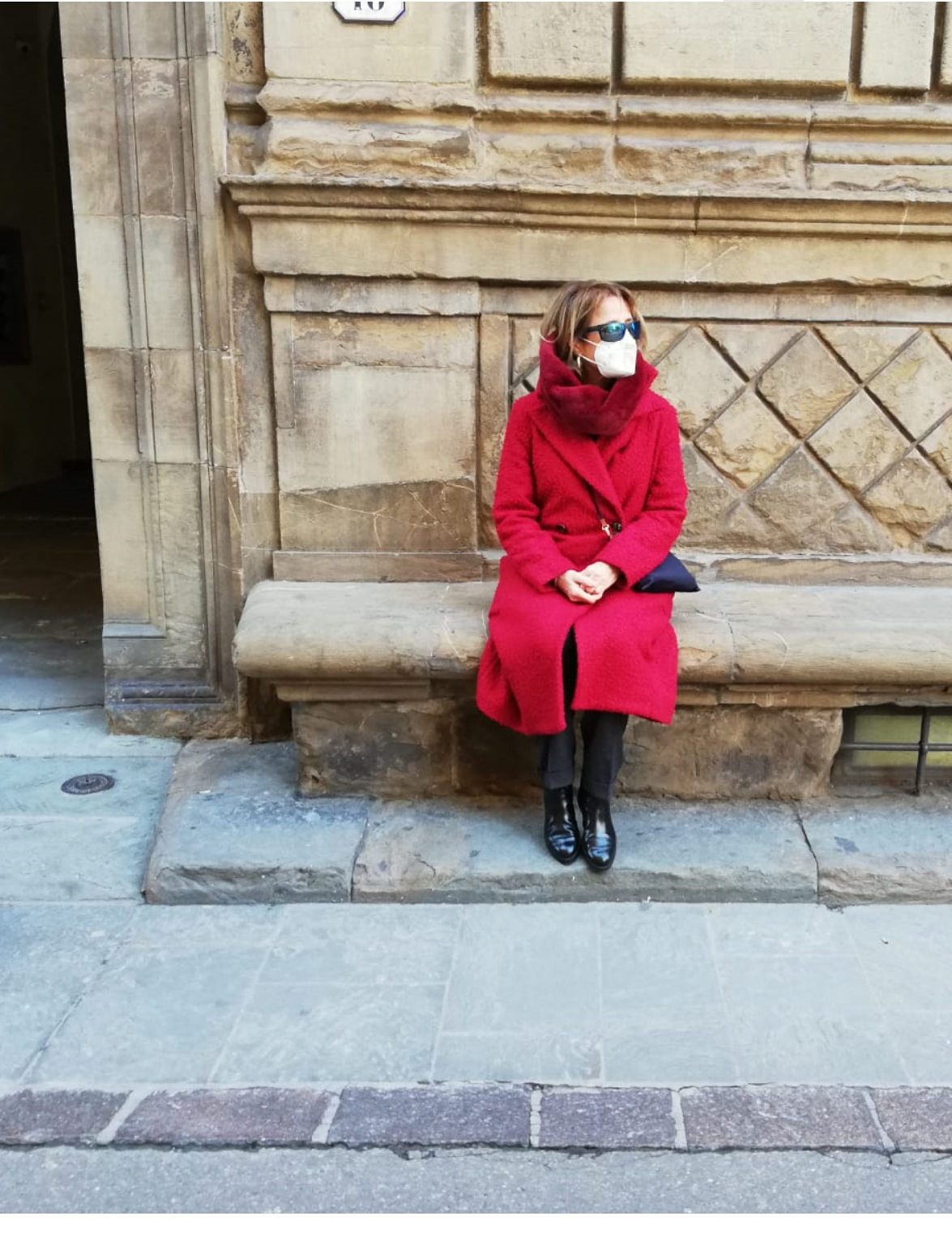
During the Renaissance, loggias and street benches spread, especially in Florence, characterized the public space. The street benches are seats that define the lower part of many buildings in the city center. These benches were both a gift to the city by the owners of the buildings and a device to accommodate visitors while they waited to be received. This morphological element, reminiscent of the crepidoma, is present in many Renaissance palaces, such as in Palazzo Strozzi, Palazzo Medici Riccardi and Palazzo Salimbeni. The mixture of public service and commercial interest is also one of the main characteristics of the first examples of loggia, as in the Loggia del Porcellino and the Loggia del Pesce.
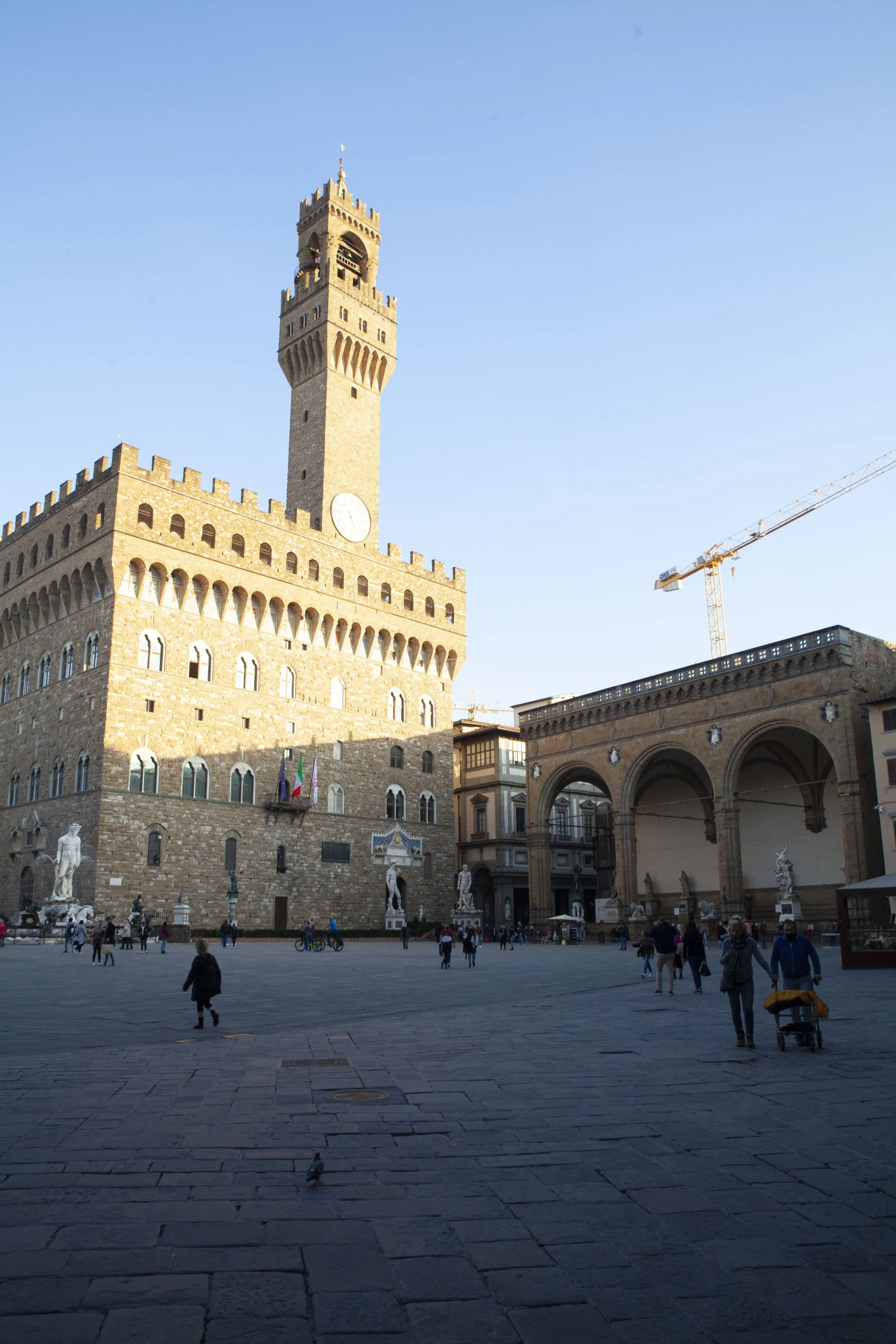
The functions of the lodges were multiple and underwent a rapid evolution. The Loggia degli Innocenti was used to welcome the users of the Orphanage. The Loggia de 'Lanzi in the sixteenth century became one of the first outdoor exhibition spaces in the world. This text aims to deepen, through the study of the loggias and street benches, the application of the concept of Magnificence in the architecture of the Renaissance in Florence.
This research was presented at the 67th annual meeting of the Renaissance Society of America, in the panel Architecture for the common good. This research was developed with the economic support of the PhD Scholarship of the Fundação para a Ciência e a Tecnologia (FCT).