Touristocracy
The Death and Life of Great Tourist-historic Cities
Touristocracy defines tourism not simply as a cultural practice, but as a temporary condition of power produced by consumption. By framing tourism through a series of paradoxes—tourists being temporarily “richer” than residents, cities becoming more valuable to visitors than to inhabitants, and historic centers functioning as museums or theme parks—the research reveals how tourism reshapes urban space through flows rather than settlements. It challenges the widespread misuse of concepts such as gentrification, proposing instead touristicization as the replacement of a resident population with a continuous flow of short-term consumers.
Through linguistic, economic, and spatial analysis, the work argues that contemporary tourism empties cities of functions while saturating them with signs, turning urban identity into a fetishized product and transforming historic centers into non-places designed for visitation rather than everyday life.
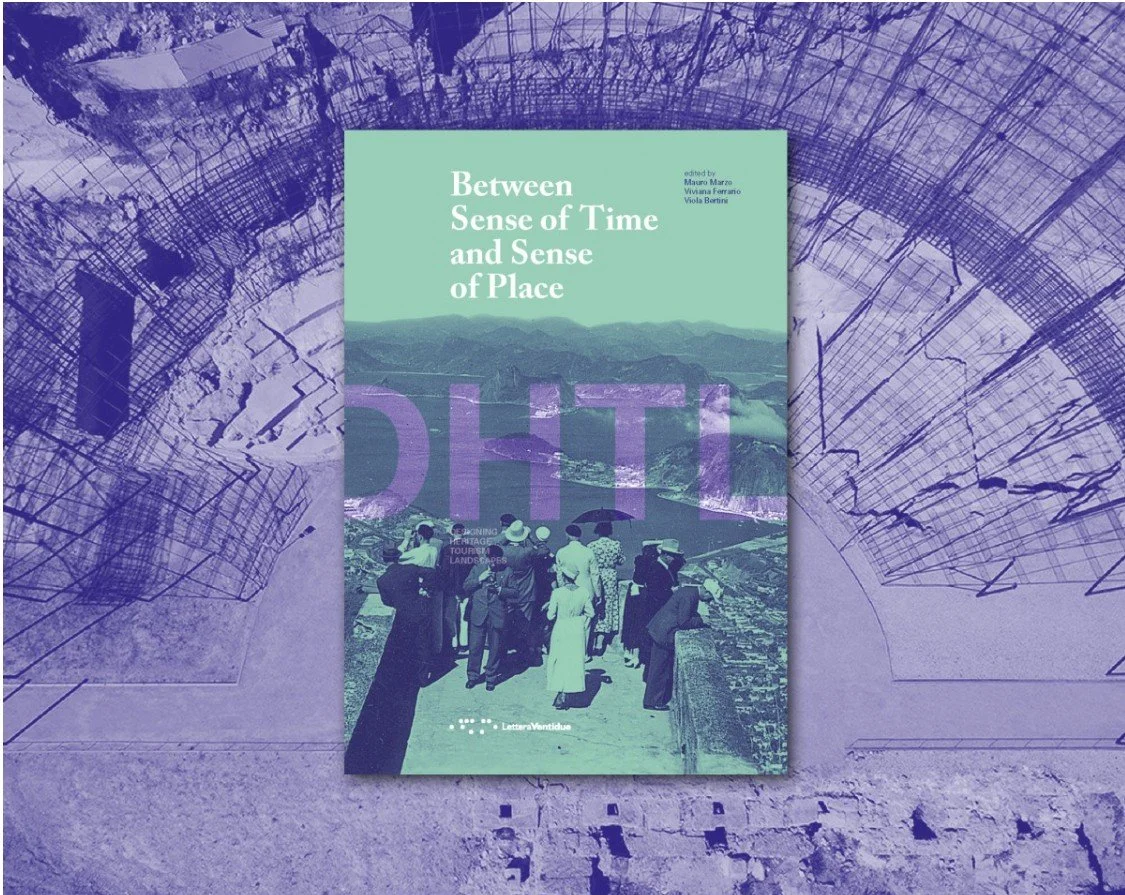
Caneschi, Francesco. “Touristocracy or The Death and Life of Great Tourist-Historic Cities”. In Marzo, M; Ferrario, V; Bertini, V. Between Sense of Time and Sense of Place. Siracusa: Lettera Ventidue, 2022. ISBN: 978-88-6242-673-2
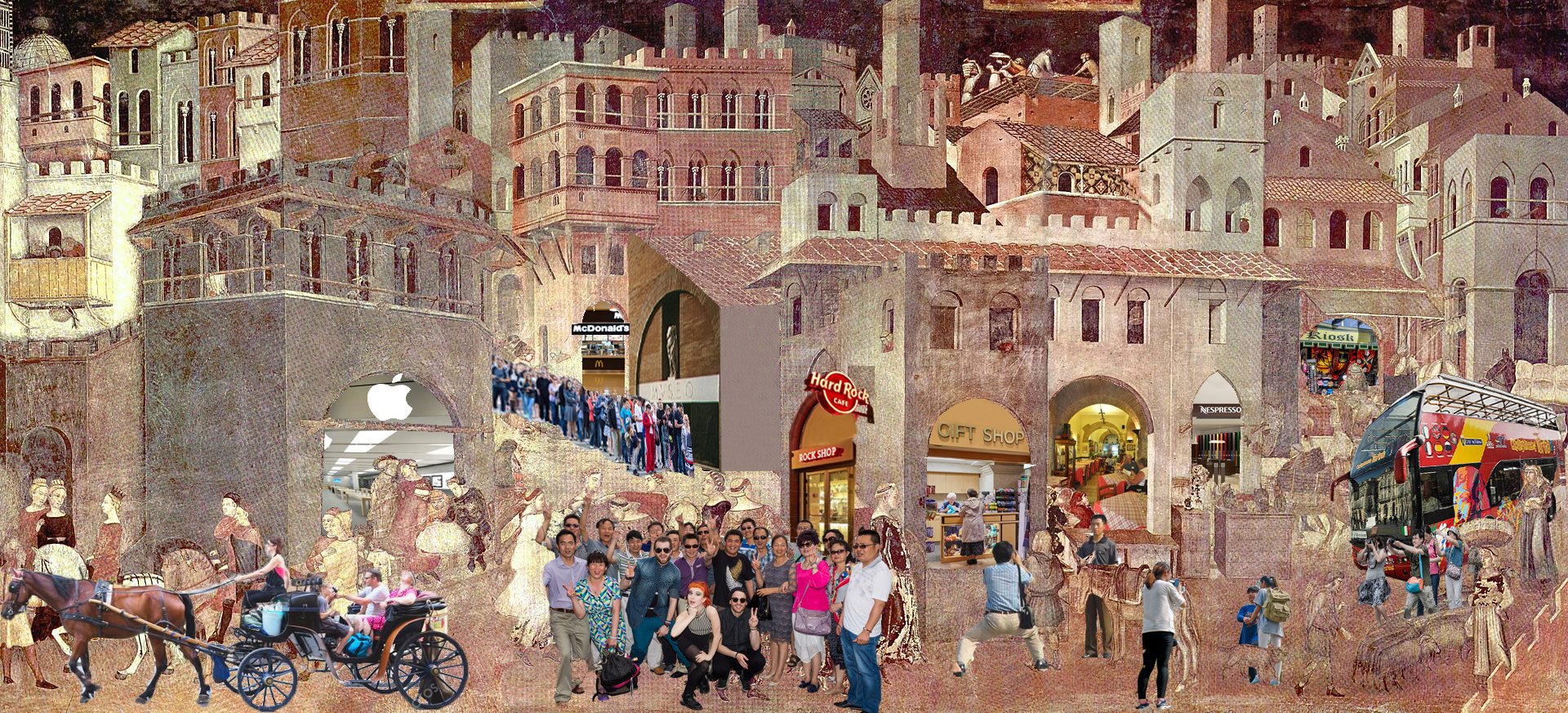
The cover image is a collage by me, conceived as an update of The Allegory of Good and Bad Government. While Ambrogio Lorenzetti’s fresco depicts the functioning of the “good” city, the collage reframes that historical urban ideal as a contemporary theme park for tourists. The operation is deliberately anachronistic: a superimposition that exposes how the symbolic city—once a space of civic life—has been transformed into a consumable image, optimized for visitors rather than inhabitants. The text navigates and dissects a series of common platitudes and mystifications surrounding tourism, proposing a set of paradoxes as analytical tools to better understand the phenomenon. The second part of the title, The Death and Life of Great Touristic Cities, is an explicit tribute to Jane Jacobs and her critical approach to urban life. This research was developed with the economic support of the PhD Scholarship of the Fundação para a Ciência e a Tecnologia (FCT) and later published in edited form.