Tactical Urbanism and DIY architecture
for a gentle urban revolution
This is my master’s thesis, presented at FAUP in 2018. The title is also a tribute to Orizzontale’ motto. The Portuguese version is available here for free. Feel free to contact me for the Italian version. The English version was published as a book by Lambert Academic Publishing in 2021.
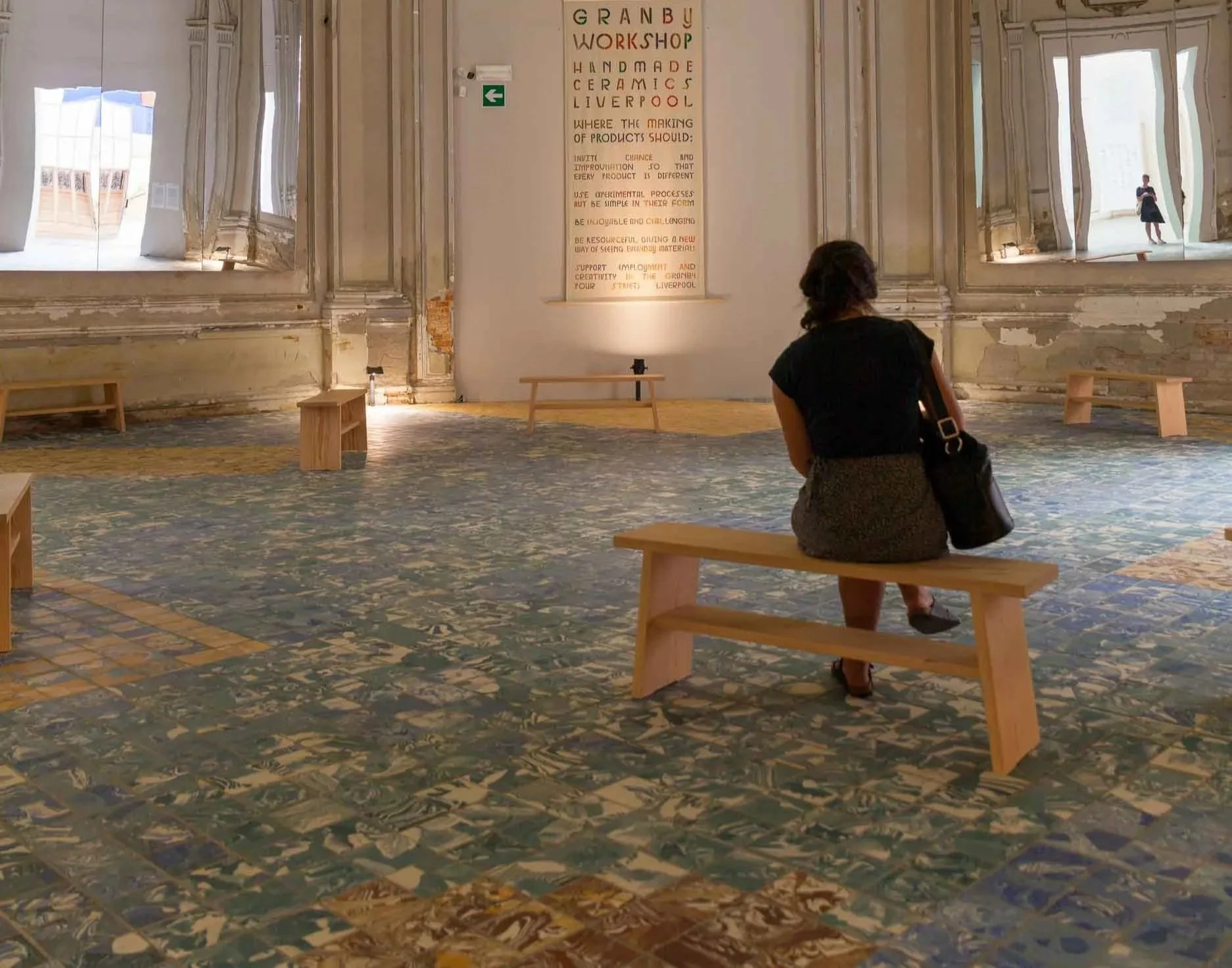
Tactical urbanism is an approach to urbanism that seeks solutions to problems through small-scale interventions. Along similar lines, the practice of DIY architecture aims to influence changes in people’s behaviour within a place through projects that are often small and temporary. The field of action for both approaches is the public space of cities, and they are developed with the involvement of the inhabitants who use those spaces. In some cases, these projects are directly realised by designers and inhabitants themselves.
The term “tactical” and the expression “do it yourself” emphasise how, in these practices, the distance between citizens, architects, and the final project is much shorter than in conventional architectural practice. In fact, these projects are clearly collective products, requiring teamwork in the design phase, in the establishment of human relationships, and ultimately in the construction process. DIY architecture and tactical urbanism are two rapidly evolving branches of contemporary practice, increasingly used to address issues in North American and European cities. These two continents, with all their contradictions, define the geographical scope of this study.
The pace of urban transformation today is faster than the capacity of conventional architecture and urbanism to intervene. It is precisely this accelerating speed of change that has contributed to the growing diffusion of these two approaches.
Within these practices, the operative role of the architect changes: the architect works closer to both people and the project itself.